
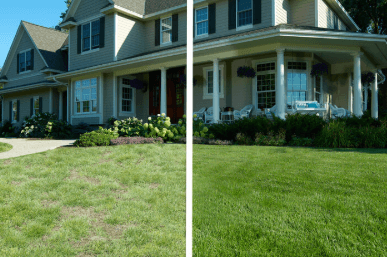
Before embarking on any turf renovation project, it is crucial to conduct a thorough assessment of your lawn’s current condition. This initial evaluation will provide insights into the specific issues affecting your grass, such as bare patches, thinning areas, or the presence of weeds. Begin by examining the overall health of the grass.
Look for signs of disease, pest infestations, or environmental stressors like compacted soil or poor drainage. Identifying these problems early on will help you tailor your renovation efforts to address the root causes rather than merely treating the symptoms. In addition to visual inspection, consider conducting a soil test to determine pH levels and nutrient deficiencies.
Soil health plays a pivotal role in the success of any lawn renovation. A balanced pH level, typically between 6.0 and 7.0 for most grasses, is essential for optimal nutrient uptake. If your soil test reveals imbalances, you may need to amend the soil with lime or sulfur to adjust pH levels or incorporate organic matter to enhance nutrient availability.
By understanding the current state of your Hervey Bay lawn and its soil, you can make informed decisions about the best renovation strategies to implement.
Choosing the Right Turf Renovation Method
Assessing Lawn Damage and Conditions
Once you have assessed the condition of your lawn, the next step is to choose an appropriate turf renovation method. There are several techniques available, each suited to different types of damage and lawn conditions.


Overseeding for Extensive Bare Patches and Compaction
If your lawn has extensive bare patches or is suffering from severe compaction, overseeding may be an effective solution. This method involves spreading grass seed over existing turf to encourage new growth while minimizing disruption to the established grass.
Complete Renovation for Severely Degraded Lawns
Alternatively, if your lawn is severely degraded or has a high weed population, you might consider a complete renovation. This process entails removing the existing grass and weeds entirely, followed by re-seeding or laying sod. While this method requires more effort and resources, it can yield a healthier and more uniform lawn in the long run.
Core Aeration and Overseeding for Thinning Lawns
Additionally, for lawns that are simply thinning due to age or wear, core aeration followed by overseeding can improve air circulation and nutrient absorption, promoting robust growth without the need for complete removal.
Preparing the Soil for Turf Renovation
Soil preparation is a critical step in any turf renovation project. Properly preparing the soil ensures that grass seeds have the best possible environment for germination and growth. Start by clearing the area of debris, rocks, and any remaining dead grass or weeds.
This can be accomplished through raking or using a dethatching tool if thatch buildup is significant. Removing this organic material not only improves aesthetics but also reduces competition for nutrients and water. Next, consider aerating the soil if it is compacted.
Core aeration involves removing small plugs of soil from the lawn, which allows air, water, and nutrients to penetrate deeper into the ground. This process is particularly beneficial for lawns that experience heavy foot traffic or have clay-heavy soils that tend to compact easily. After aeration, it’s advisable to amend the soil with organic matter such as compost or well-rotted manure.
This addition enhances soil structure, improves drainage, and provides essential nutrients that will support new grass growth.
Selecting the Best Grass Seed for Your Lawn
Choosing the right grass seed is paramount to achieving a lush and resilient lawn post-renovation. The selection process should take into account several factors including climate, sun exposure, and intended use of the lawn. For instance, cool-season grasses like Kentucky bluegrass and tall fescue thrive in northern climates with cooler temperatures, while warm-season grasses such as Bermuda and zoysia are better suited for southern regions with hotter summers.
Additionally, consider the sun and shade conditions of your lawn when selecting seed varieties. Some grasses perform well in full sun but struggle in shaded areas; conversely, shade-tolerant varieties may not withstand direct sunlight as effectively. If your lawn experiences a mix of conditions, you might opt for a blend of seeds that includes both sun-loving and shade-tolerant varieties to ensure uniform growth across different areas.
Furthermore, look for high-quality seed with a good germination rate and minimal weed seed content to maximize your chances of success.
Proper Watering and Fertilization Techniques
Once you have sown your grass seed or laid sod, proper watering and fertilization techniques become essential for establishing a healthy lawn. Initially, it’s crucial to keep the soil consistently moist to encourage seed germination. This typically involves watering lightly but frequently—about once or twice a day—until the seeds have sprouted and established roots.
As the grass begins to grow, gradually reduce the frequency of watering while increasing the depth of each watering session to promote deeper root development. Fertilization also plays a vital role in supporting new grass growth. Applying a starter fertilizer that is high in phosphorus can help stimulate root development during the early stages of growth.
It’s important to follow application guidelines carefully to avoid over-fertilization, which can lead to nutrient runoff and environmental harm. As your lawn matures, transitioning to a balanced fertilizer will provide ongoing nutrition necessary for maintaining vigor and resilience against pests and diseases.
Implementing Effective Weed and Pest Control
Weeds and pests can pose significant challenges during and after turf renovation if not managed effectively. Early intervention is key; as soon as you notice weeds emerging in your newly renovated lawn, take action to control them before they establish deep roots. Hand-pulling is an effective method for small infestations, while larger areas may require targeted herbicide applications.
It’s essential to choose herbicides that are safe for use on newly seeded lawns; many products specify waiting periods before application after seeding. In addition to weed control, monitoring for pests such as grubs or chinch bugs is crucial during the establishment phase of your lawn. Regular inspections can help you catch infestations early before they cause significant damage.
Integrated pest management (IPM) strategies can be particularly effective; these may include introducing beneficial insects that prey on harmful pests or using organic treatments like neem oil as a preventive measure against infestations.
Maintaining Your Renovated Lawn
Once your lawn has been successfully renovated and established, ongoing maintenance is essential to keep it healthy and vibrant. Regular mowing is one of the most important aspects of lawn care; maintaining an appropriate height encourages dense growth while preventing weeds from taking hold. For most grass types, keeping the mower blades set at around 2.5 to 4 inches is ideal; this height allows for adequate photosynthesis while promoting deep root systems.
In addition to mowing, regular fertilization should continue based on seasonal needs and soil tests conducted every few years. Aeration should also be performed annually or biannually depending on traffic levels and soil compaction issues. Furthermore, seasonal overseeding can help maintain density and fill in any bare spots that may develop over time due to wear or environmental stressors.
Troubleshooting Common Turf Renovation Issues
Even with careful planning and execution, turf renovation can present challenges that require troubleshooting skills. One common issue is uneven growth or patchy areas in newly seeded lawns. This can result from inconsistent watering practices or variations in soil quality across different sections of the lawn.
To address this problem, ensure that watering schedules are uniform and consider applying additional seed in sparse areas while keeping them moist until they establish. Another frequent concern is the resurgence of weeds despite initial control efforts. This may occur if pre-emergent herbicides were not applied correctly or if weed seeds were present in the soil prior to renovation.
In such cases, implementing a more aggressive weed management strategy may be necessary; this could involve spot-treating with selective herbicides or increasing hand-pulling efforts during peak growing seasons. By understanding these common issues and their solutions, homeowners can navigate the complexities of turf renovation with greater confidence and achieve a thriving lawn that enhances their outdoor space for years to come.

